The Doors: The Summer Before We Knew What Doors We Were Opening
Jim Morrison, Val Kilmer, skateboarding, King Cobra, summertime and the strange period of life when freedom still meant not knowing what came next.
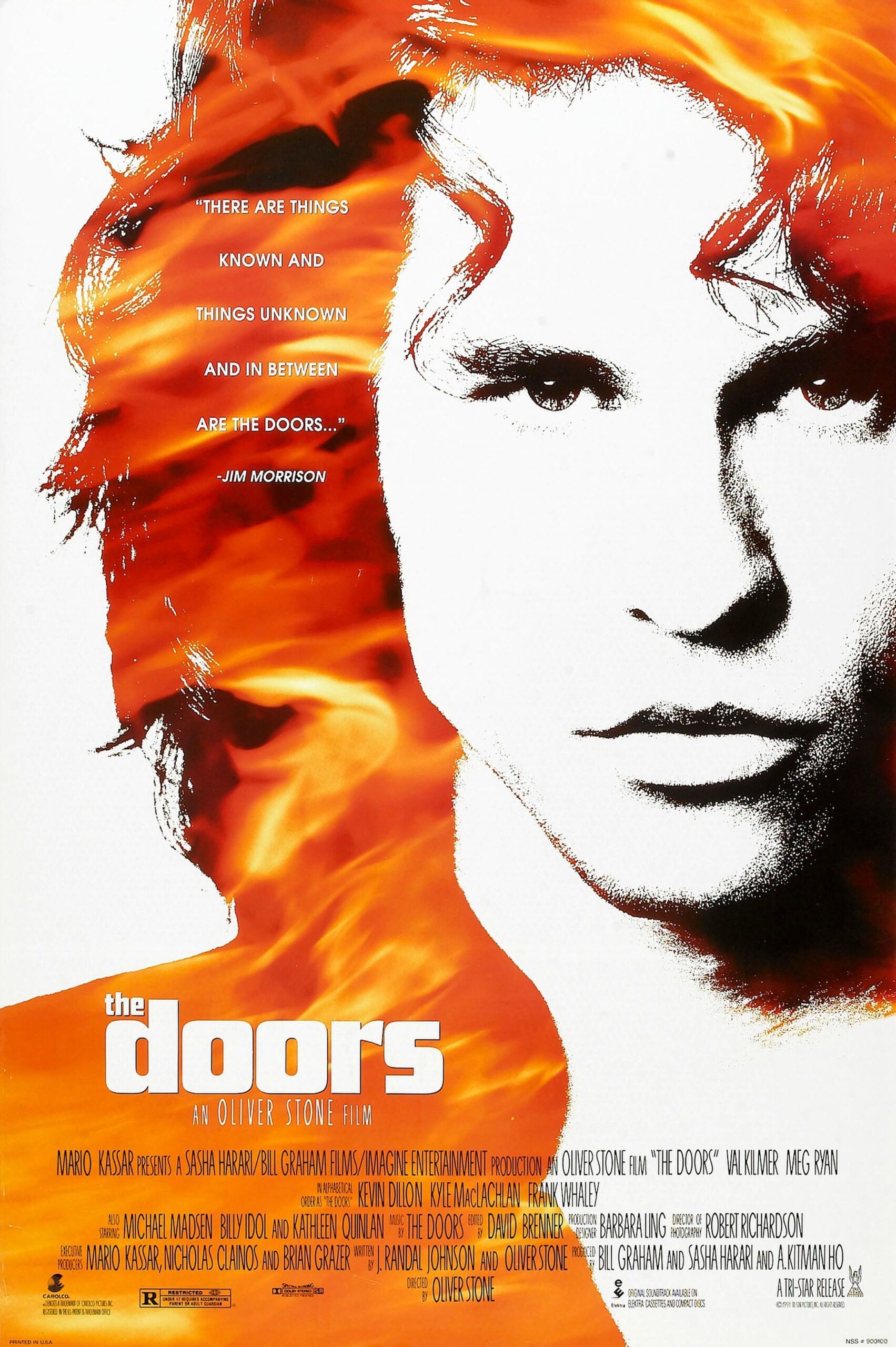
The Doors, 1991. Val Kilmer as Jim Morrison.
Some movies become important because of what they are. Others become important because of when they found you.
The Doors is one of those movies for me. The 1991 film about Jim Morrison and The Doors found me when I was in high school, during a period of skating, drinking with the homies and slowly figuring out what kind of world I wanted to live in.
The Summer We Were Still Figuring Everything Out
I was probably around 2006 to 2008. I don’t remember the exact year, and honestly, that feels appropriate. We were still young idiots who had the ability to make mistakes and blame them on our youth.
Those days were dope because everybody was getting to know the world.
I used to kick it with Bobby, Elay, Beroh, Gerod and Stitch right there by the Lynwood water tower. We skateboarded, drank outside Bobby’s crib and spent whole days doing whatever young dudes do when they haven’t yet realized that eventually life starts demanding answers.
We’d skate until we were tired, head inside Bobby’s crib and throw on a movie.
One of those movies was The Doors.
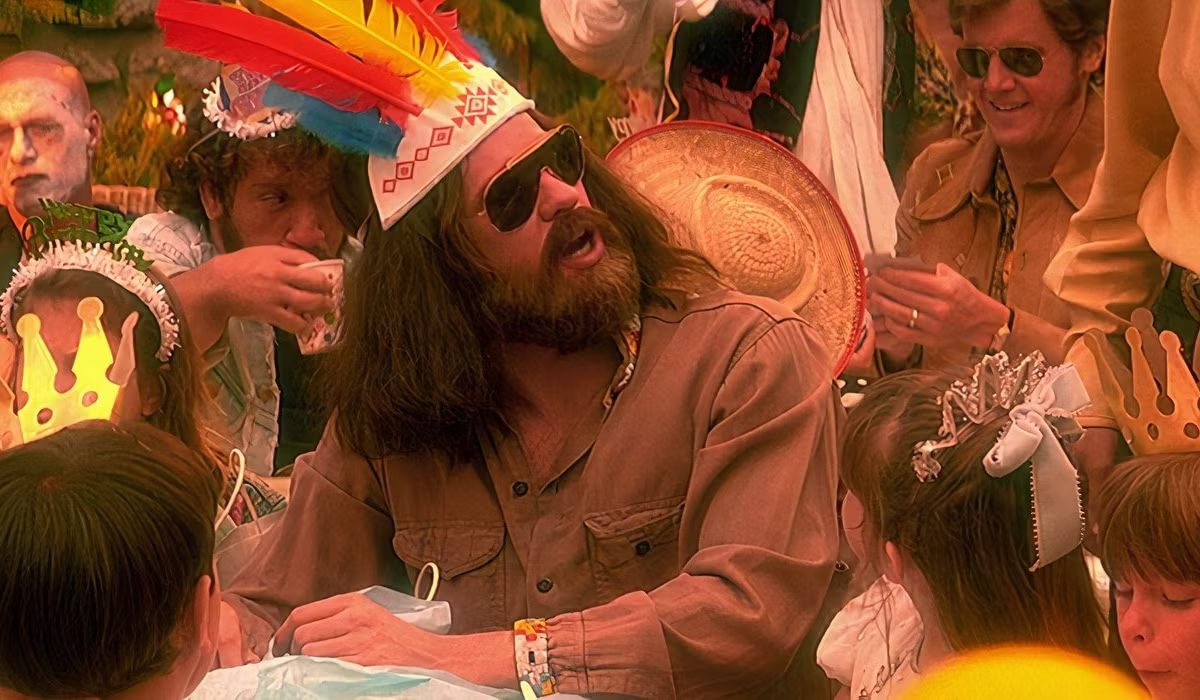
Jim Morrison and the mythology surrounding The Doors.
I remember thinking to myself that I had never seen Jim Morrison in real life, but Val Kilmer somehow hit the nail on the head with that performance.
It felt like this was Jim.
At least, it felt like the Jim I knew through the music.
His music opened up a lot of our minds back then. The conversations about Native American culture, the Lizard King, altered states, perception and the strange possibilities of consciousness all felt connected to the way we were beginning to look at the world ourselves.
Thinking Was Becoming Its Own Kind of Rebellion
There was something about Jim Morrison that made thinking seem cool.
Not just following.
Not just observing and reporting the world exactly as society expected you to see it.
But looking at everything through your own eyes and experiences.
That idea mattered to me.
I think that’s part of why the movie stayed with me. Morrison’s character was constantly questioning the boundaries around him, whether those boundaries came from society, expectations, morality, fame or his own mind.
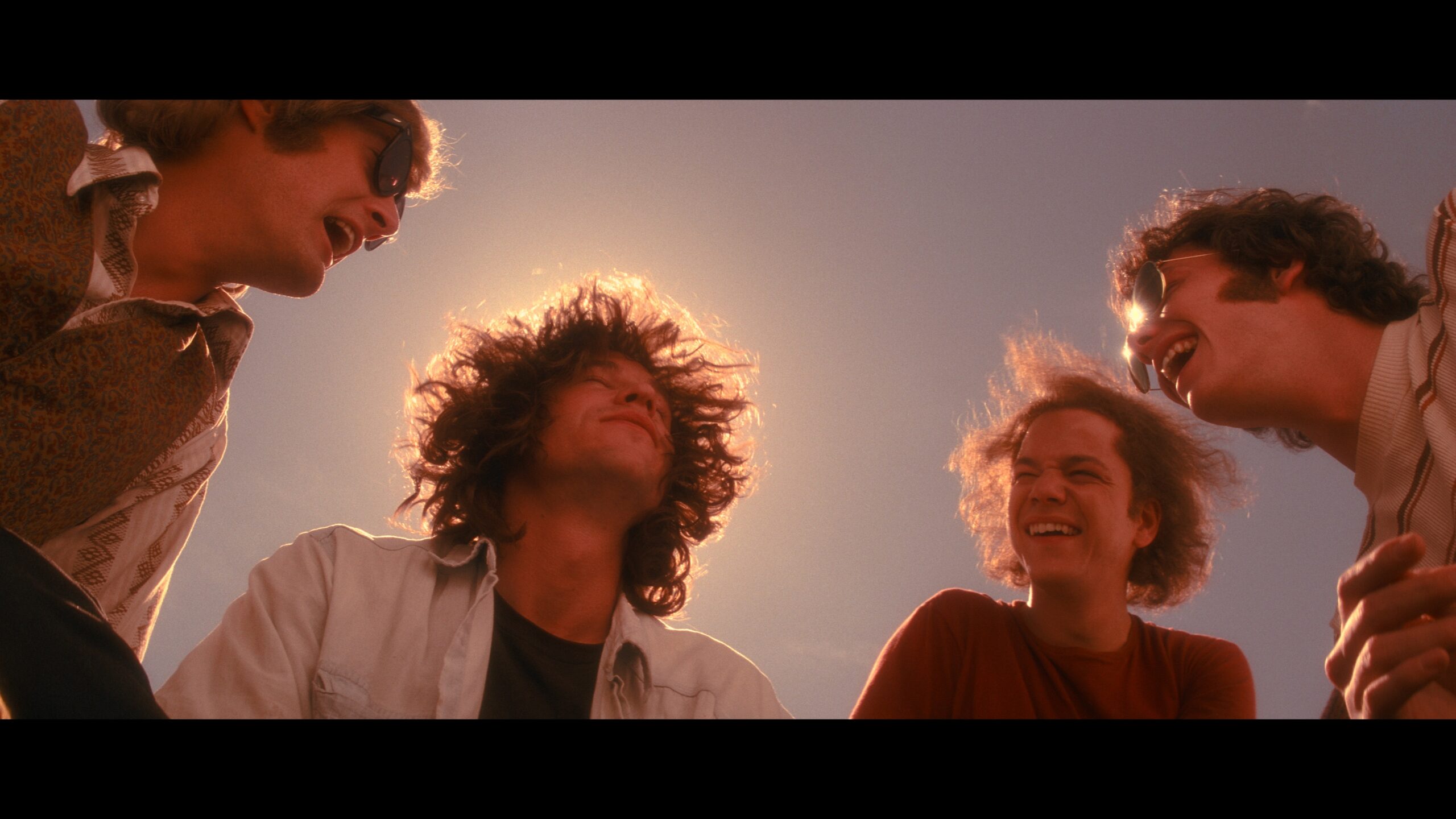
Perception, mythology and the psychedelic world surrounding Morrison.
But watching the movie again later made me question something else.
That’s where the film became more complicated for me.
There is a difference between entering your own mind and creating from that space, and using drugs as a way to escape responsibility, consequences and reality itself.
The movie seems to constantly exist somewhere between those two ideas.
The Doors of Perception
Morrison’s fascination with perception is one of the things that made the character so interesting to me.
He wasn’t satisfied with simply accepting the world as it appeared. He wanted to push beyond the surface.
That curiosity can be powerful.
But the movie also shows what happens when curiosity becomes self-destruction.
The same boldness that makes Morrison fascinating eventually becomes part of his downfall.
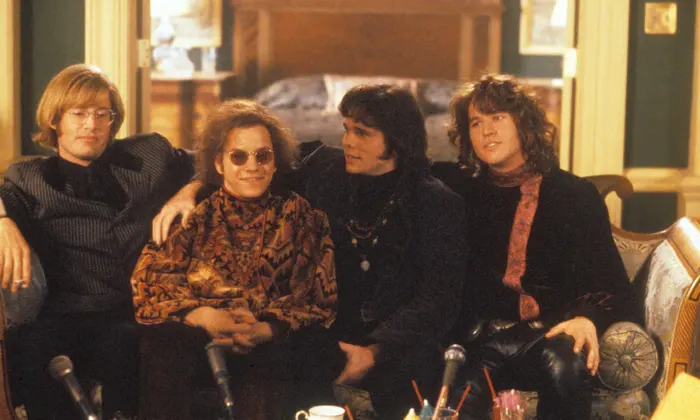
The Doors as a band, caught between music, fame and Morrison’s growing mythology.
When the Band Starts Seeing Things Differently
One of the things that becomes clearer as the film progresses is the growing distance between Jim and the rest of the band.
At first, the unpredictability is part of what makes him magnetic.
Eventually, that same unpredictability becomes a problem.
The drinking gets heavier. The drugs become more important. Morrison becomes increasingly egotistical and detached from the people around him.
The band doesn’t always see the world the way he does anymore.
That’s when the movie starts feeling less like a celebration of rebellion and more like a warning about what happens when rebellion loses its purpose.
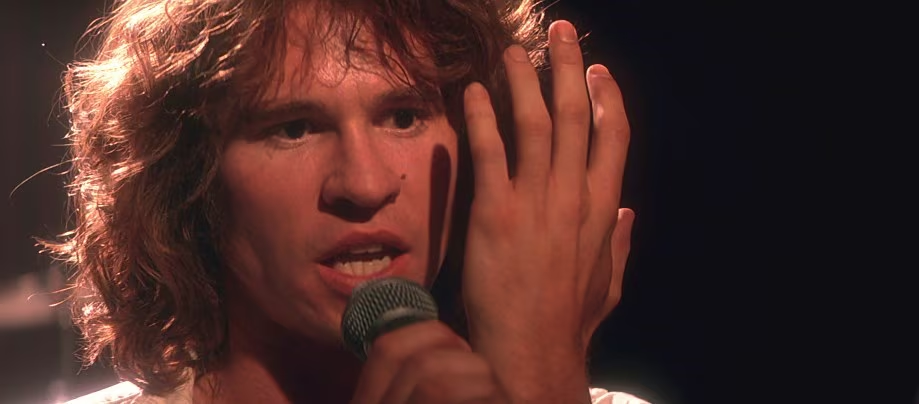
Performance, rebellion and the weight of becoming a legend.
One moment that always stayed with me is when Jim pressures Robby to trip with him during one of the band’s later shows.
By that point, the consequences of Jim’s choices are becoming harder for everyone around him to ignore.
The person who once seemed fearless now appears increasingly lost.
93 Days
I eventually ended up sampling a few pieces from The Doors on a project I have on Bandcamp called 93 Days.
The title comes from the number of days in summer.
That project was inspired by the way those summers felt. Long days, skating, music, drinking with the homies, discovering new ideas and slowly realizing that the world was much bigger than whatever we understood at the time.
That’s probably why so much of The Doors reminded me of summertime.
Not because the movie itself is necessarily carefree, but because it captures a particular kind of freedom.
The kind of freedom that exists before you completely understand the consequences of your decisions.
The Crossroads
Looking back, I think that’s what made the movie hit me differently.
High school was its own crossroads.
We could stay where we were, drinking, skating and kicking it with the homies, or we could start opening our own doors toward completely different lives.
At the time, our minds weren’t necessarily there yet.
We were living in the moment.
Sometimes that’s the best thing we could have done.
There was something beautiful about not knowing exactly what came next.
Watching Jim Morrison in the film made that feeling even stranger.
Here was somebody who seemed determined to walk through every door imaginable, even when nobody knew what was waiting on the other side.
His boldness was inspiring.
His destruction was a warning.
Looking Back
Thinking back to those days now, I’m grateful that we were immersed enough in music and film to let something like The Doors affect the way we thought.
We weren’t sitting there trying to analyze the movie academically.
We were just kids watching a film after skating all day.
But sometimes that’s exactly when art works best.
You don’t need to understand everything immediately.
Sometimes an idea gets planted and doesn’t reveal what it meant until years later.
That’s what The Doors became for me.
It became connected to a particular summer feeling, a particular group of homies, a particular part of Lynwood and a particular period of my life when the future still felt completely undefined.
The movie reminded me that opening your mind can be one of the most powerful things you can do.
But opening your mind and escaping reality aren’t necessarily the same thing.
Eventually, you still have to walk through the door.
Sometimes you don’t realize you’re standing at a doorway until years later, when you finally look back and understand what was waiting on the other side.